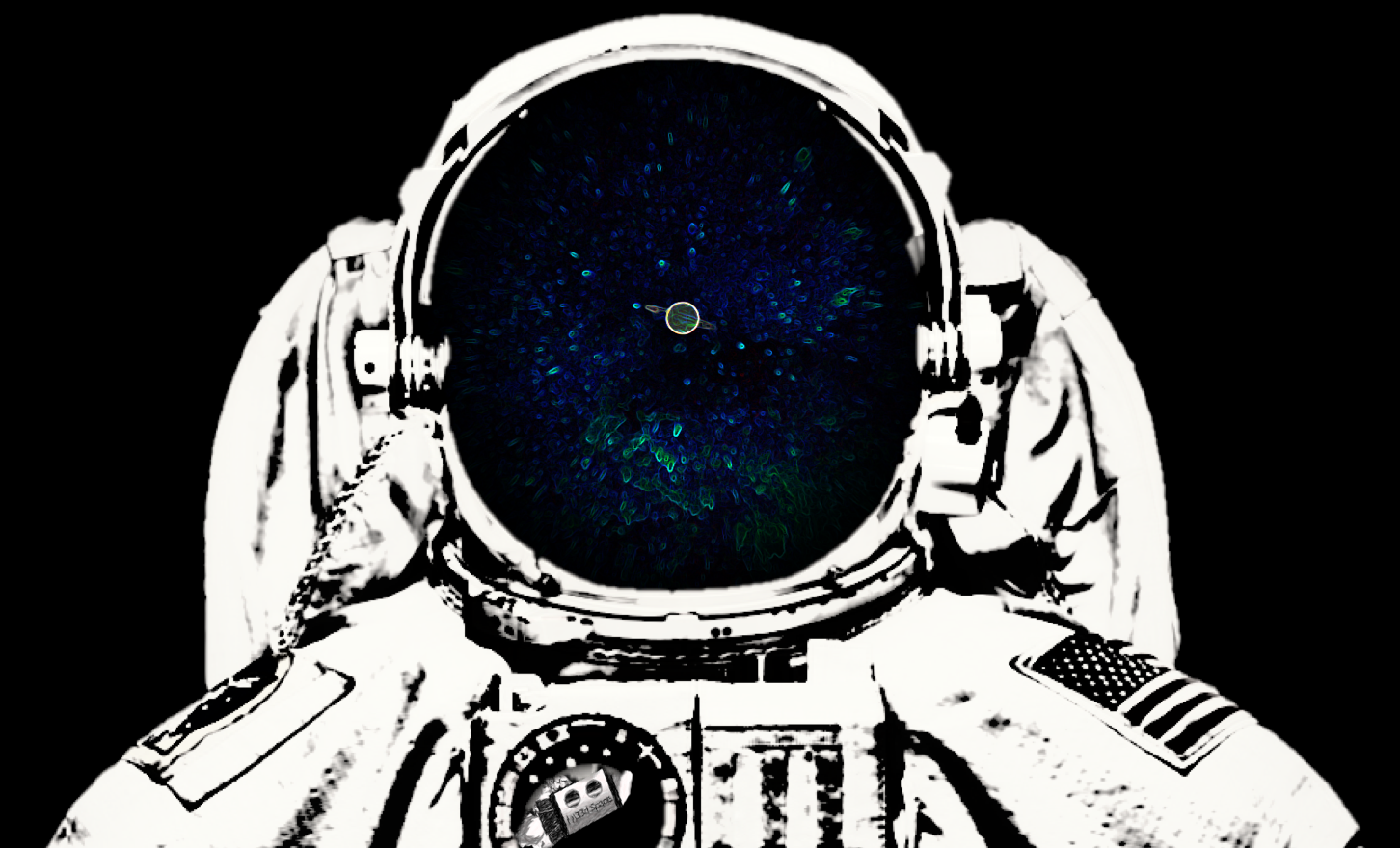
Are we alone? Is that not the greatest question in space exploration? One of our driving forces to constantly search among the stars for life and learn what we can along the way. Where do we begin to look for life among the stars, after all the Milky Way alone is estimated to have 150-250 billion stars. The answer may not be as complicated as you think, because the clues are hidden in the light. I want to explore this with you in two parts, first understanding light and second how light leaves signatures.
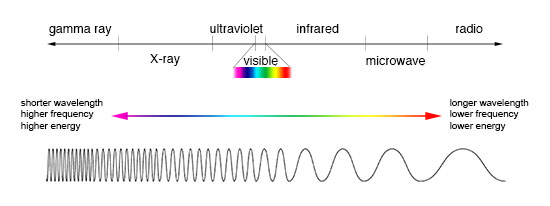
Light is a form of energy, that travels in waves with both magnetic and electric properties. You might have already heard of its “scale” called the electromagnetic spectrum. Most of the electromagnetic or light spectrum is invisible to our eye, the small part of visible light we see hides within it a rainbow of colors. When the visible light wave travels through a prism it scatters into its separate colors revealing the rainbow to us. Which is why we sometimes see rainbows on rainy days, the water droplets act as prisms scattering or refracting the light. Recall the Pink Floyd “Dark Side of the Moon” album cover, it displayed quite accurately white light passing through a prism and spreading out into a rainbow.
Light comes in the form of gamma ray, x-ray, ultra violet, infrared, microwave and radio. The Universe emits light in all these forms, its up to us to find the hidden secrets, by developing cameras and science instruments that can detect light in any of its wavelength forms.
Understanding light is the key to unlocking those secrets of the universe. We can even determine the temperature of celestial objects based on the type of light it is emitting. To determine temperatures, celestial objects are viewed using instruments that can detect the individual type of light, and it is possible that the object is emitting in multiple areas of the spectrum. The light is graphed at its different wavelengths emitted versus the brightness of the object. The resulting graph is usually called a blackbody curve. Simply put which ever color wavelength is more intense, it correlates directly with its temperature. The higher the temperature the more light that is emitted at all wavelengths. Fun Fact Time: Infrared is usually the most common light viewed, to see the distant stars. The new James Webb Telescope will conduct its mission primarily in the infrared.
Einstein came along one day and said hey you know what, it’s not that light is traveling in a steady stream wave, but its made of particles, known as photons and these photons travel in waves at the speed of light. The photons energy is based on its position on the spectrum a radio photon having less energy and a gamma ray photon having the highest.
It took me a long time to understand the concept of light, but than I realized heat, energy, light, they’re all the same thing and it put things in perspective for me. I think light is really interesting, and I don’t think many realize its purpose is more than just lighting the dark. One of my favorite things about light is how its a view into the past.
Nothing can travel faster than the speed of light–maybe! There are some interesting ideas and theories out there–however, it still takes a long time for light to reach us and the light we see is as the object was when the light left. So if takes 300 years for an objects light to reach us, we see it as it was 300 years ago. For example, if it took 3 million years for a stars light to reach us, for all we know that star could have already become a supernova and no longer exists, but since we see it as it was 3 million years ago we still see it as a shining star. Our Suns light takes just about 8 minutes to reach Earth, so no matter what when you see the Sun in the sky, you are seeing it as it was 8 minutes in the past. Pretty cool, I think–but I’m also a nerd.
The next step is to take our understanding of light to the next level and use it to find areas of the universe to search for life whether its a humanoid or more plausible a microbe. Look out for Part II–Light: Fingerprinting the Stars
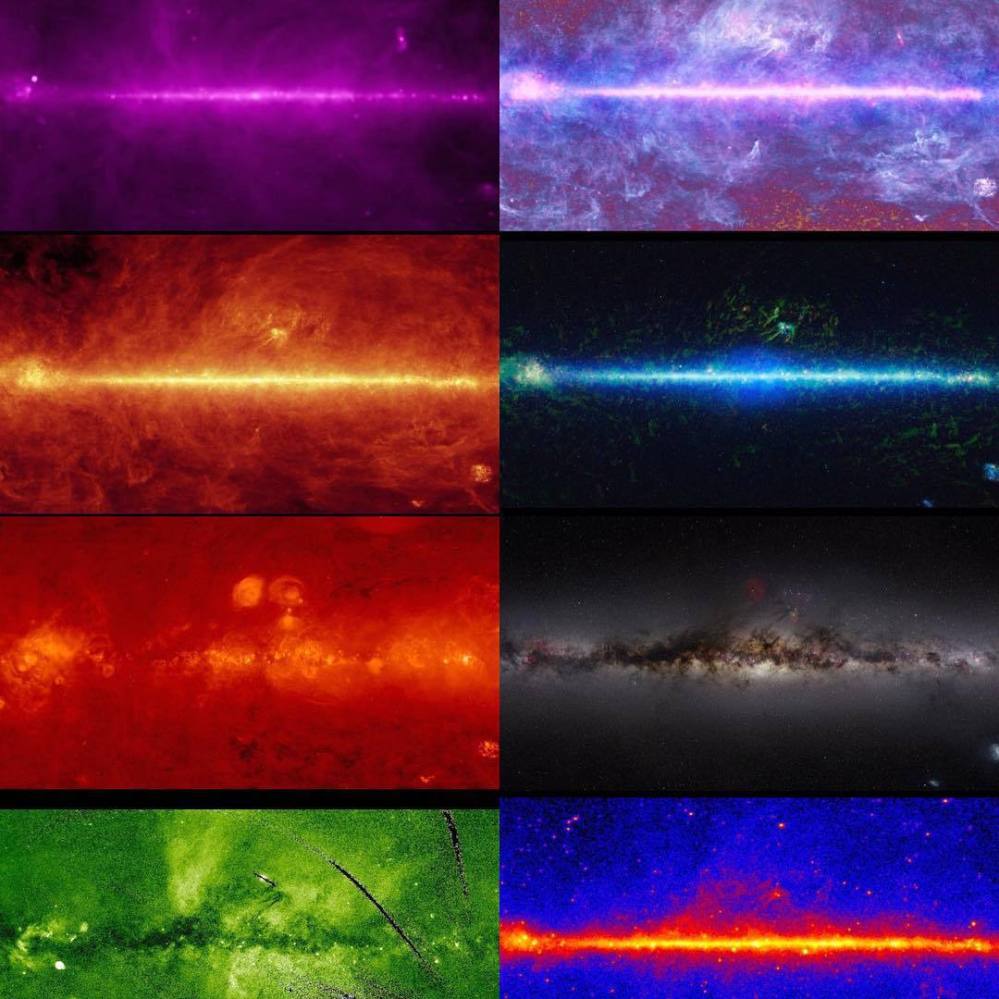


Once again mind. Blown. 😲
LikeLike